Sign in

Current AI, FHIR, and Healthcare Integration Insights for NHS and Digital Health Teams

Healthcare Interoperability Challenges in the NHS: Six Real Problems and How to Solve Them

Healthcare Interoperability

Healthcare Interoperability Challenges in the NHS: Six Real Problems and How to Solve Them

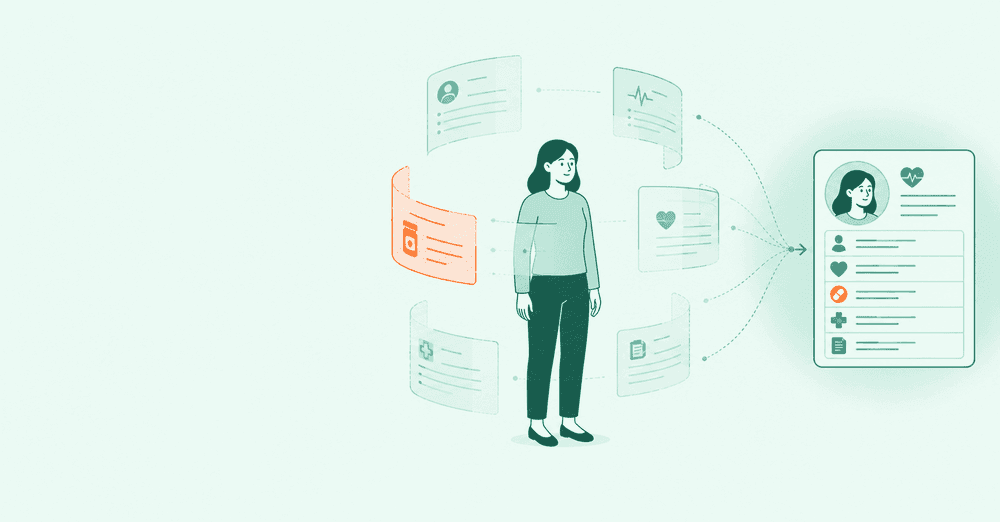
Interoperability fails in NHS Trusts at predictable points: identity, legacy systems, governance, latency, and ownership. Six healthcare interoperability challenges, six practical responses, written for the IT Leads and Digital teams who actually run the integration estate.

Why Legacy Integration Engines Cannot Handle Modern Healthcare Workflows

Workflow Automation in Healthcare

Why Legacy Integration Engines Cannot Handle Modern Healthcare Workflows

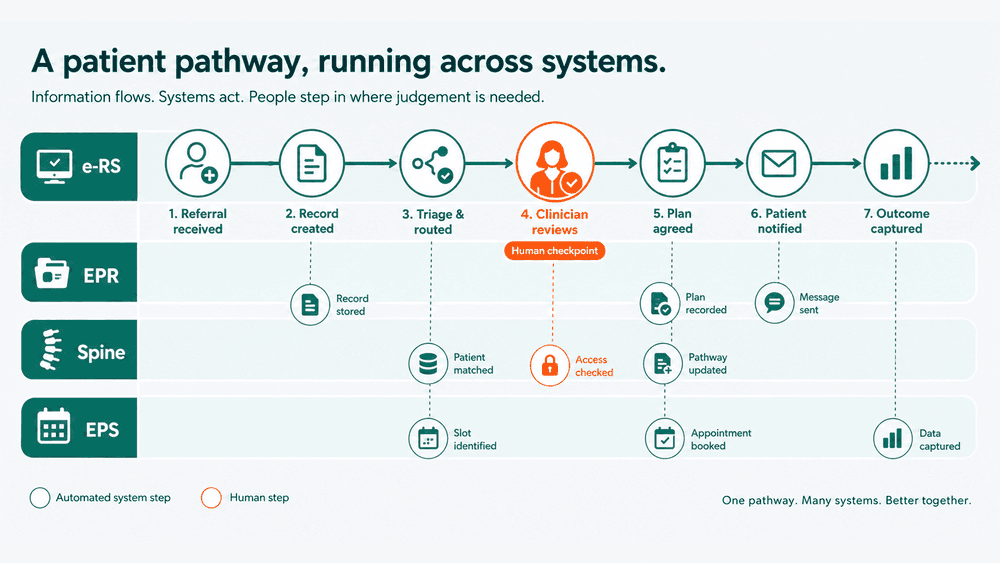
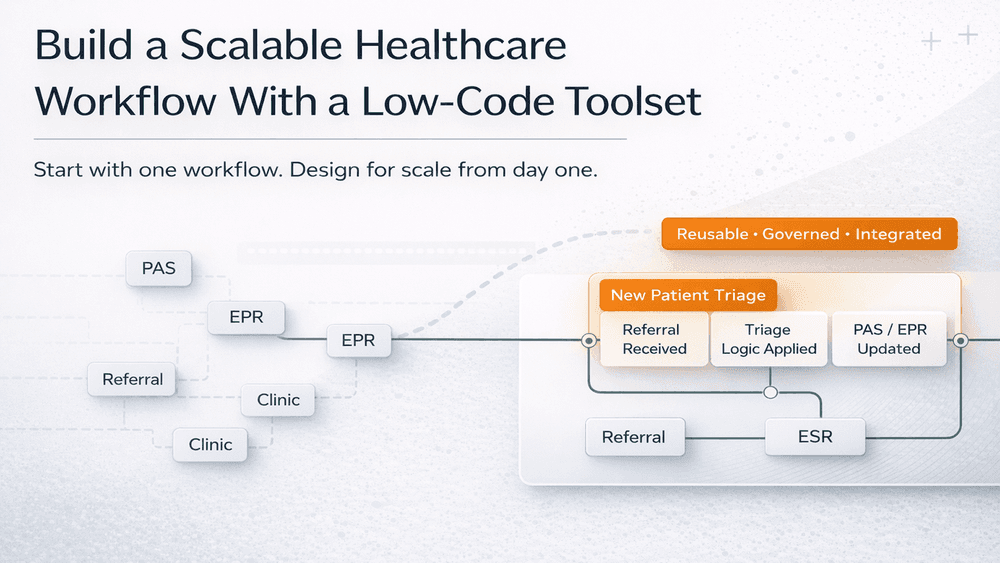
Legacy integration engines were built to route messages between systems. Modern NHS workflows need orchestration across them, and that gap is where most Trust integration projects quietly stall.

Why Leave Entitlement in NHS ESR Keeps Breaking - and the Healthcare Integration Mistakes Behind It

Workflow Automation in Healthcare

Why Leave Entitlement in NHS ESR Keeps Breaking - and the Healthcare Integration Mistakes Behind It

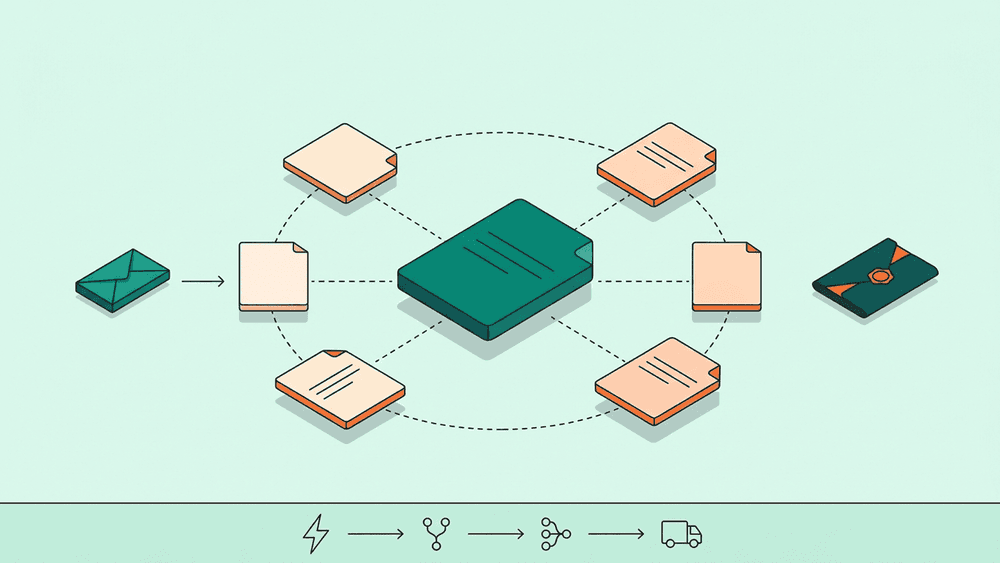
Leave entitlement in ESR isn't really an HR problem - it's an integration problem. The places it goes wrong are the same places healthcare integration mistakes always go wrong: between systems, where ownership is unclear and the data quietly drifts.

NHS ESR Starters, Movers, and Leavers: The Integration Gap Behind Workforce Lifecycle Management

NHS Digital Integration

NHS ESR Starters, Movers, and Leavers: The Integration Gap Behind Workforce Lifecycle Management

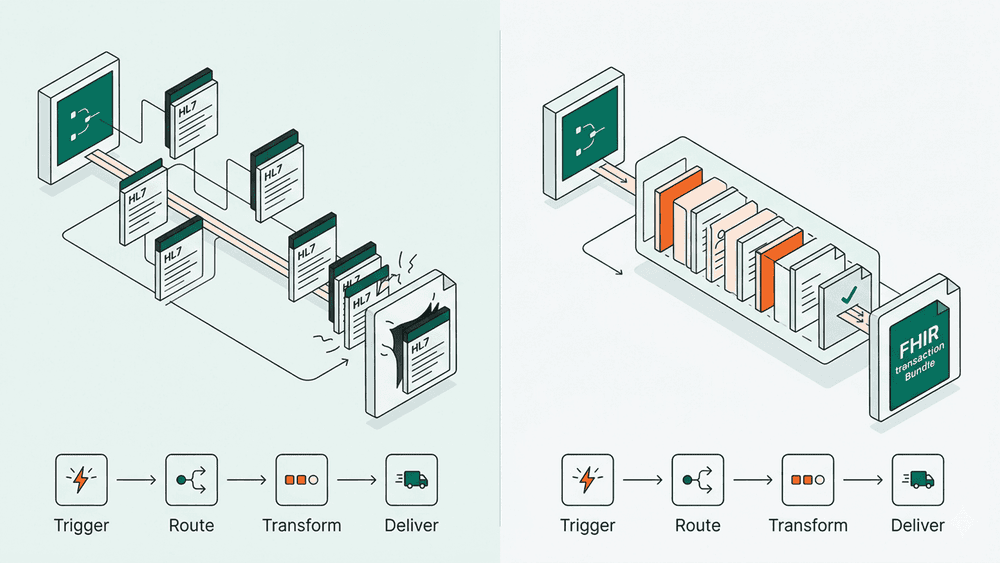
ESR tells the Trust when someone joins, moves, or leaves. Getting every downstream system to act on that event reliably is where NHS workforce lifecycle management actually lives, and where it quietly fails.

TL;DR

This blog covers current questions around AI agents, healthcare integration platforms, FHIR adoption, workflow automation, and safe rollout for NHS teams.

Latest Blogs

NHS and digital health teams are now asking how to operationalise AI agents safely, choose the right integration architecture, use FHIR well, and reduce admin burden without adding risk. This blog shares practical answers and workflow insights for real NHS delivery.

FAQ

Common questions NHS and digital health teams ask when evaluating AI integration, interoperability, and workflow automation.

1

What are the benefits of using AI in healthcare?

AI can reduce repetitive admin work, speed up triage and routing, improve data quality, and help teams respond faster without adding unnecessary manual steps.

2

How can NHS teams implement these technologies safely?

NHS teams usually get better results by starting with a narrow workflow, defining governance early, validating data carefully, and keeping clear audit and review processes in place.

3

Where should teams start with AI integration?

Start with one operational problem that is frequent, measurable, and currently manual, such as document handling, referral flow, or message routing between systems.

4

Do AI agents replace healthcare teams?

In most practical NHS use cases, AI agents support teams rather than replace them. They are most useful when they remove routine operational friction and leave oversight with people.

5

What standards matter when connecting AI into NHS workflows?

FHIR, interoperability requirements, access controls, and auditability all matter. The technical value of AI depends on whether it can fit safely into the systems and governance already in place.

Turn healthcare workflow ideas into production-ready delivery

Whether you're exploring interoperability, workflow automation, HL7, FHIR, ESR, or internal operational delivery, WeHub helps teams design, govern, and run workflows without unnecessary complexity.

  • Built for healthcare integration and operations
  • Faster delivery with reusable workflow components
  • Better governance, visibility, and scale

No spam. Just a practical conversation about your use case.

WeHub Blog: Insights on AI and Healthcare Integration